Learning that you have uterine fibroids can be concerning, especially if you are hoping to start or grow your family. One of the first questions many women ask is, “If I have fibroids, can I still have a baby?”
The encouraging news is that many women with fibroids go on to have healthy pregnancies and healthy babies. Whether fibroids affect your fertility depends on their size, number, and location, as well as your overall reproductive health.
At Midwest Fertility Center, Dr. Amos E. Madanes has helped thousands of patients understand how fibroids may impact fertility and develop personalized treatment plans. If you have questions about your fertility, visit https://mfcfamily.com/ to learn more about our comprehensive fertility services.
What Are Fibroids?
Fibroids, also known as uterine leiomyomas, are noncancerous growths that develop in or on the uterus. They are very common and affect up to 70 to 80 percent of women by age 50.
Fibroids can range from tiny growths that cause no symptoms to large masses that can change the shape of the uterus. Some women have only one fibroid, while others have several.
Do Fibroids Always Cause Infertility?
No. In fact, most women with fibroids are able to become pregnant naturally.
Many fibroids never interfere with fertility. However, certain fibroids can make conception more difficult depending on where they are located.
The three main types of fibroids include:
- Submucosal fibroids, which grow inside the uterine cavity
- Intramural fibroids, which grow within the muscular wall of the uterus
- Subserosal fibroids, which grow on the outside of the uterus
Submucosal fibroids are the type most likely to interfere with pregnancy because they can distort the uterine cavity where an embryo implants.
How Can Fibroids Affect Fertility?
Depending on their size and location, fibroids may:
- Block the fallopian tubes
- Distort the uterine cavity
- Prevent embryo implantation
- Reduce blood flow to the uterine lining
- Increase inflammation inside the uterus
- Change the normal shape of the uterus
Not every fibroid causes fertility problems, which is why an evaluation by a reproductive endocrinologist is important. If you have been trying to conceive without success, schedule a consultation with Midwest Fertility Center by visiting https://mfcfamily.com/.
Can Fibroids Cause Miscarriage?
Some fibroids, particularly those located inside the uterine cavity, may increase the risk of miscarriage.
Fibroids can sometimes:
- Reduce implantation rates
- Increase the risk of early pregnancy loss
- Contribute to pregnancy complications
Fortunately, many women with fibroids experience healthy pregnancies from beginning to end.
Pregnancy Complications Associated With Fibroids
Although many women with fibroids have uncomplicated pregnancies, fibroids may increase the risk of:
- Pelvic pain during pregnancy
- Vaginal bleeding
- Placental complications
- Breech presentation
- Preterm labor
- Cesarean delivery
- Postpartum hemorrhage
Your healthcare team will carefully monitor both you and your baby throughout your pregnancy if fibroids are present.
Should Fibroids Be Removed Before Pregnancy?
Not always.
Whether treatment is recommended depends on:
- Your age
- Your fertility goals
- The size and location of the fibroids
- Whether they are causing symptoms
- Your history of infertility or miscarriage
Some women benefit from a procedure called a myomectomy, which removes fibroids while preserving the uterus. Others can safely attempt pregnancy without surgery.
A fertility specialist can help determine the best approach for your unique situation.
How Are Fibroids Diagnosed?
Your fertility evaluation may include:
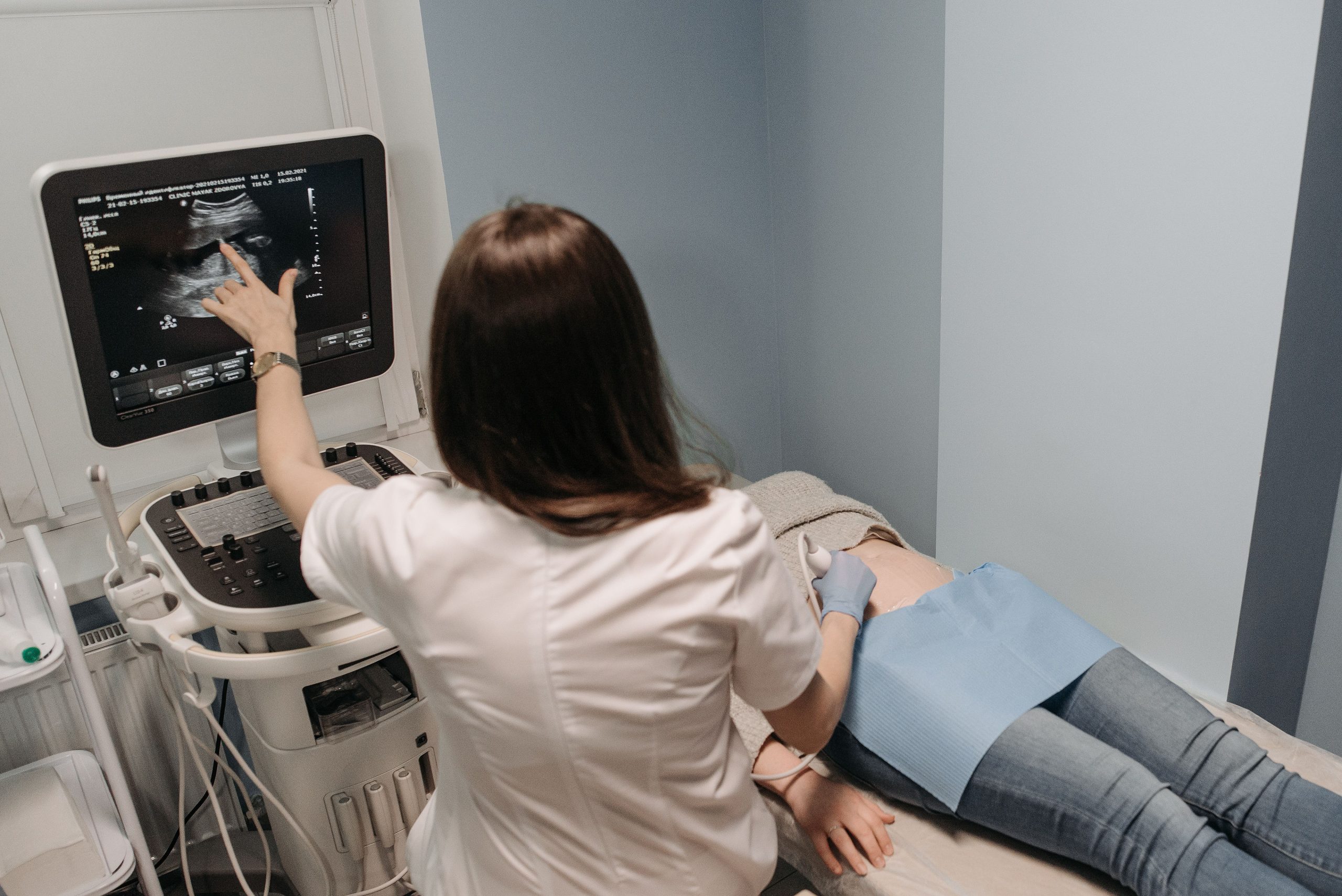
- Pelvic ultrasound
- Saline infusion sonogram
- Hysteroscopy
- MRI in selected cases
These tests help determine whether fibroids are likely affecting your ability to conceive.
When Should You See a Fertility Specialist?
You should consider seeing a fertility specialist if:
- You have known fibroids and are trying to become pregnant.
- You have experienced recurrent miscarriages.
- You have heavy menstrual bleeding or pelvic pain.
- You have been trying to conceive for one year if you are under age 35.
- You have been trying to conceive for six months if you are age 35 or older.
Early evaluation often leads to earlier answers and more treatment options. To request a consultation or learn more about fertility testing, visit https://mfcfamily.com/.
Personalized Fertility Care at Midwest Fertility Center
Every patient is different, and every fertility journey deserves individualized care.
Dr. Amos E. Madanes and the experienced team at Midwest Fertility Center perform comprehensive fertility evaluations to determine whether fibroids are affecting your ability to conceive. If treatment is needed, your care plan may include monitoring, myomectomy, ovulation induction, intrauterine insemination (IUI), or in vitro fertilization (IVF), depending on your specific needs.
Our goal is to provide compassionate, evidence-based care while helping you achieve a healthy pregnancy as quickly and safely as possible.
To learn more about our physicians, treatment options, and convenient Illinois and Indiana locations, visit https://mfcfamily.com/.
In Conclusion
Having fibroids does not automatically mean you cannot have a baby. Many women with fibroids conceive naturally and deliver healthy babies. The key is understanding whether your fibroids are affecting your fertility and seeking expert guidance from a fertility specialist.
If you have fibroids and are planning a pregnancy or have been struggling to conceive, don’t wait to seek answers. Early evaluation can identify potential concerns and help you take the next step toward building your family with confidence.
Midwest Fertility Center https://mfcfamily.com/ is here to support you every step of the way.
Contact us today 1-630-810-0212 to schedule a consultation.