
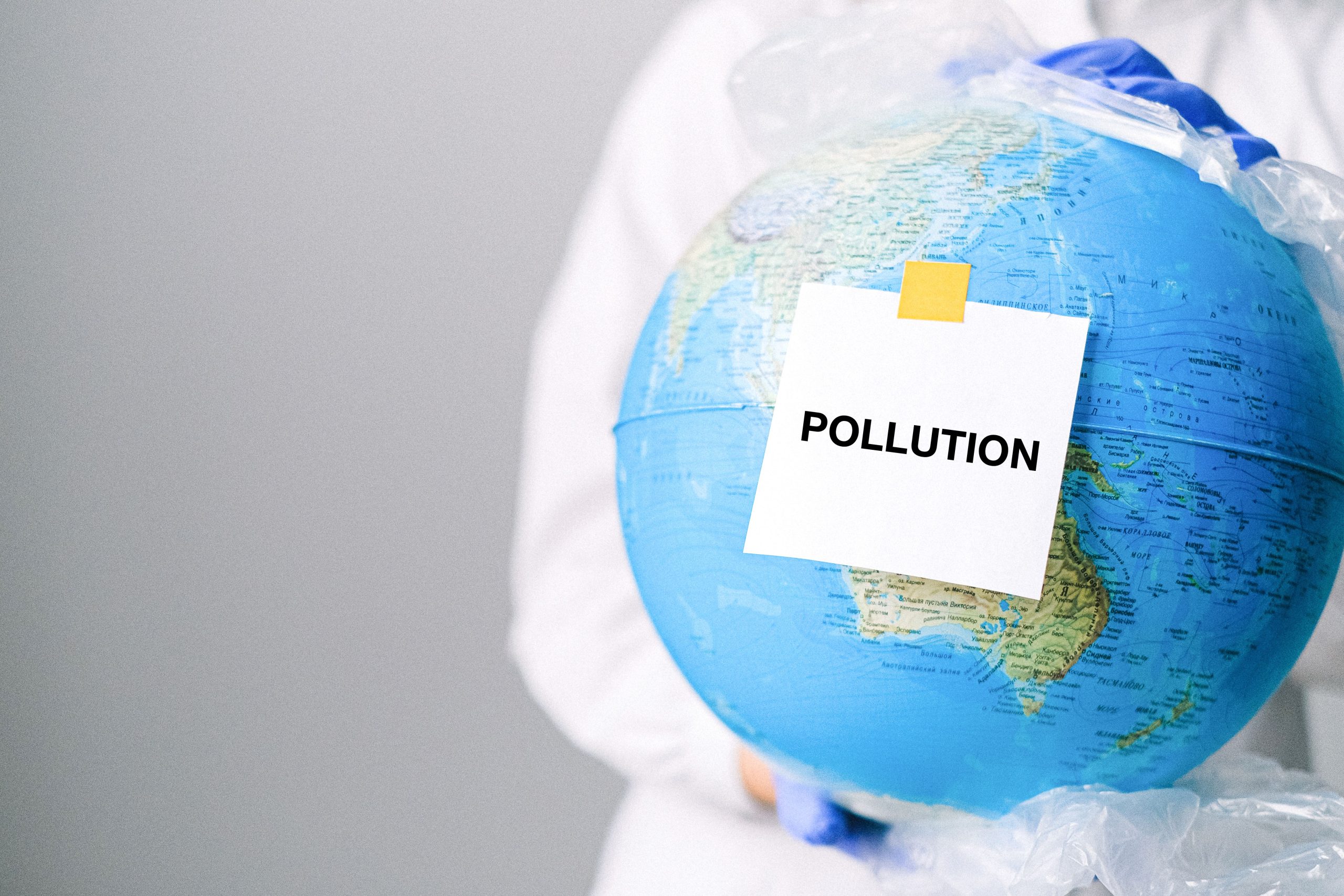
When couples struggle to conceive, they often focus on factors such as age, hormones, or underlying medical conditions. However, growing research suggests that environmental pollutants may also play a significant role in fertility challenges for both men and women.
At Midwest Fertility Center, Dr. Amos E. Madanes and our team https://mfcfamily.com/ understand that fertility is influenced by many factors, including the environment in which we live, work, and play. Understanding potential environmental risks can help individuals make informed decisions while trying to conceive.
What Are Environmental Pollutants?
Environmental pollutants are substances that contaminate our air, water, food, and everyday products. Some of the most common pollutants linked to reproductive health concerns include:
- Pesticides and herbicides
- Industrial chemicals
- Heavy metals such as lead and mercury
- Air pollution
- Plastics containing BPA (Bisphenol A)
- PFAS (“forever chemicals”) found in some non-stick cookware, food packaging, and water supplies
- Endocrine-disrupting chemicals found in certain cosmetics, cleaning products, and personal care items
Many of these substances can interfere with the body’s hormonal system, which is essential for normal reproductive function.
How Environmental Pollutants Affect Female Fertility
Environmental toxins may impact female fertility in several ways:
Hormonal Disruption
Certain chemicals mimic or block natural hormones such as estrogen and progesterone. This disruption can affect ovulation, menstrual cycles, and embryo implantation.
Reduced Egg Quality
Exposure to pollutants may contribute to oxidative stress, which can damage eggs and reduce their quality over time.
Increased Risk of Reproductive Disorders
Some studies have linked environmental toxins to conditions such as endometriosis, polycystic ovary syndrome (PCOS), and diminished ovarian reserve, all of which can affect fertility.
How Environmental Pollutants Affect Male Fertility
Male fertility is also vulnerable to environmental exposures.
Lower Sperm Count
Research has shown that certain pollutants may be associated with declining sperm counts and reduced sperm concentration.
Poor Sperm Quality
Environmental toxins can affect sperm movement (motility), shape (morphology), and DNA integrity, making conception more difficult.
Hormonal Changes
Exposure to endocrine-disrupting chemicals may interfere with testosterone production and other hormones involved in sperm development.
Air Pollution and Fertility
Air pollution has become an increasing concern worldwide. Fine particulate matter from vehicle emissions, industrial processes, and wildfires can enter the bloodstream and may contribute to inflammation and oxidative stress.
Studies have suggested that long-term exposure to poor air quality may be associated with:
- Reduced fertility rates
- Lower IVF success rates
- Increased risk of pregnancy complications
While more research continues, minimizing exposure to poor air quality when possible may benefit overall reproductive health.
Practical Steps to Reduce Exposure
Although it is impossible to eliminate all environmental exposures, there are several steps you can take:
- Wash fruits and vegetables thoroughly.
- Consider choosing organic produce for foods known to carry higher pesticide residues.
- Avoid microwaving food in plastic containers.
- Use glass or stainless-steel food storage containers when possible.
- Filter drinking water if concerns exist about local water quality.
- Choose fragrance-free or environmentally friendly cleaning and personal care products.
- Avoid smoking and secondhand smoke exposure.
- Maintain a healthy diet rich in antioxidants, which may help combat oxidative stress.
Should You Be Concerned?
Environmental pollutants are rarely the sole cause of infertility, but they may contribute to reproductive challenges, especially when combined with other risk factors. If you have been trying to conceive without success, a comprehensive fertility evaluation https://mfcfamily.com/ can help identify potential causes and guide appropriate treatment options.
We’re Here to Help
At Midwest Fertility Center, Dr. Amos E. Madanes and our experienced team https://mfcfamily.com/ provide personalized fertility care to help patients understand and overcome barriers to conception. Whether you are just beginning your fertility journey or exploring advanced treatment options such as IVF, we are committed to helping you achieve your dream of building a family.
If you have concerns about infertility or reproductive health, contact Midwest Fertility Center at 1-630-810-0212 or https://mfcfamily.com/ to schedule a consultation and learn more about your fertility options.