
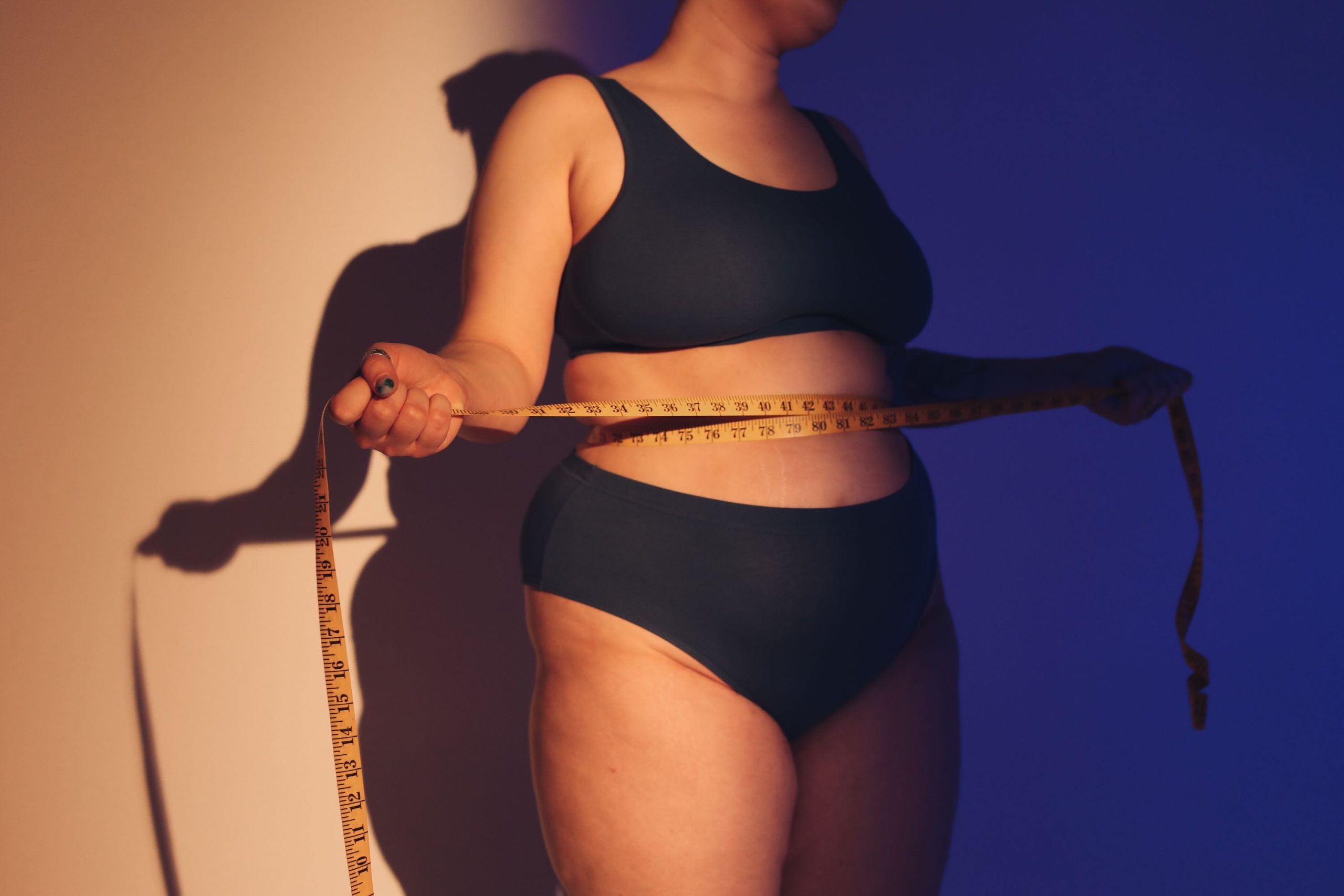
How Excess Weight Can Impact Your Fertility
Infertility affects millions of individuals and couples worldwide, and one of the most common causes of female infertility is Polycystic Ovarian Syndrome (PCOS). While PCOS is a complex hormonal disorder, obesity often plays a significant role in worsening its symptoms and its impact on fertility.
At Midwest Fertility Center, Dr. Amos E. Madanes and our experienced fertility team https://mfcfamily.com/ help patients understand the relationship between weight, PCOS, and reproductive health so they can make informed decisions on their journey toward parenthood.
What Is PCOS?
Polycystic Ovarian Syndrome is a hormonal condition affecting approximately 1 in 10 women of reproductive age. Women with PCOS may experience:
- Irregular or absent menstrual periods
- Difficulty ovulating
- Excess facial or body hair
- Acne
- Weight gain
- Insulin resistance
- Multiple small cysts on the ovaries
Because regular ovulation is essential for natural conception, PCOS is one of the leading causes of infertility.
The Link Between Obesity and PCOS
Although not all women with PCOS are overweight, studies have shown that approximately 40% to 80% of women with PCOS are overweight or obese. Excess body fat can worsen many of the hormonal imbalances associated with PCOS.
Fat tissue is hormonally active and can affect how the body processes insulin and reproductive hormones. As body weight increases, insulin resistance often becomes more severe, leading to higher insulin levels in the bloodstream.
Elevated insulin levels stimulate the ovaries to produce excess androgens (male hormones), such as testosterone. These hormonal changes can interfere with normal follicle development and ovulation, making conception more difficult.
How Obesity Affects Fertility
Obesity can negatively impact fertility in several ways:
Irregular Ovulation
Women with obesity are more likely to experience irregular menstrual cycles and ovulation disorders. Without regular ovulation, the chances of becoming pregnant naturally decrease significantly.
Increased Insulin Resistance
Insulin resistance is common in both obesity and PCOS. When the body’s cells become less responsive to insulin, the pancreas produces more insulin to compensate. Higher insulin levels contribute to hormonal imbalances that can disrupt ovulation.
Hormonal Imbalances
Excess weight can alter estrogen production and increase inflammation throughout the body. These changes can further impair ovarian function and fertility.
Reduced Success of Fertility Treatments
Research has shown that obesity may reduce the effectiveness of fertility treatments such as ovulation induction, intrauterine insemination (IUI), and in vitro fertilization (IVF). Women with obesity may require higher medication doses and may experience lower pregnancy rates compared to women with a healthy body weight.
Can Weight Loss Improve Fertility?
The encouraging news is that even modest weight loss can have a significant positive impact on fertility.
For many women with PCOS, losing just 5% to 10% of their body weight can:
- Improve insulin sensitivity
- Restore more regular menstrual cycles
- Promote ovulation
- Improve hormone balance
- Increase the likelihood of natural conception
- Enhance fertility treatment outcomes
For example, a woman weighing 200 pounds may see meaningful fertility improvements after losing just 10 to 20 pounds.
Healthy Strategies for Weight Management
Weight loss should focus on long-term lifestyle changes rather than quick-fix diets. Helpful strategies include:
Balanced Nutrition
A diet rich in:
- Lean proteins
- Vegetables
- Fruits
- Whole grains
- Healthy fats
can help stabilize blood sugar levels and improve insulin sensitivity.
Regular Exercise
Combining aerobic exercise with strength training can help improve metabolism, support weight loss, and enhance overall reproductive health.
Medical Management
Some women with PCOS may benefit from medications that improve insulin sensitivity or assist with ovulation. Your fertility specialist can determine whether these options are appropriate for your individual situation.
When to Seek Fertility Help
If you have PCOS and have been trying to conceive without success, seeking early evaluation can help identify the best treatment options. Women under age 35 should generally seek fertility evaluation after one year of trying to conceive, while women 35 and older should consider evaluation after six months.
At Midwest Fertility Center https://mfcfamily.com/, we offer comprehensive fertility testing and individualized treatment plans designed to address the unique challenges associated with PCOS and obesity.
Midwest Fertility Center Can Help
Every fertility journey is unique. If you are struggling with PCOS, weight-related fertility concerns, or difficulty becoming pregnant, Dr. Amos E. Madanes and the team at Midwest Fertility Center https://mfcfamily.com/ are here to help.
Through personalized care, advanced fertility treatments, and compassionate support, we work with patients to optimize their reproductive health and maximize their chances of achieving a healthy pregnancy.
Schedule a Consultation
If you have questions about PCOS, obesity, or infertility, contact Midwest Fertility Center https://mfcfamily.com/ today at 1-630-810-0212 to schedule a consultation and learn more about your fertility options. Taking the first step toward understanding your reproductive health could bring you closer to building the family you’ve been dreaming of.