
At Midwest Fertility Center, we believe that understanding your fertility health is one of the most important steps in building a successful treatment plan. In some cases, your physician may recommend a laparoscopy to gain a clearer picture of what may be affecting your ability to conceive.
While the idea of a surgical procedure can feel overwhelming, laparoscopy is a safe, minimally invasive tool that often provides both answers and solutions.
What Is a Laparoscopy?
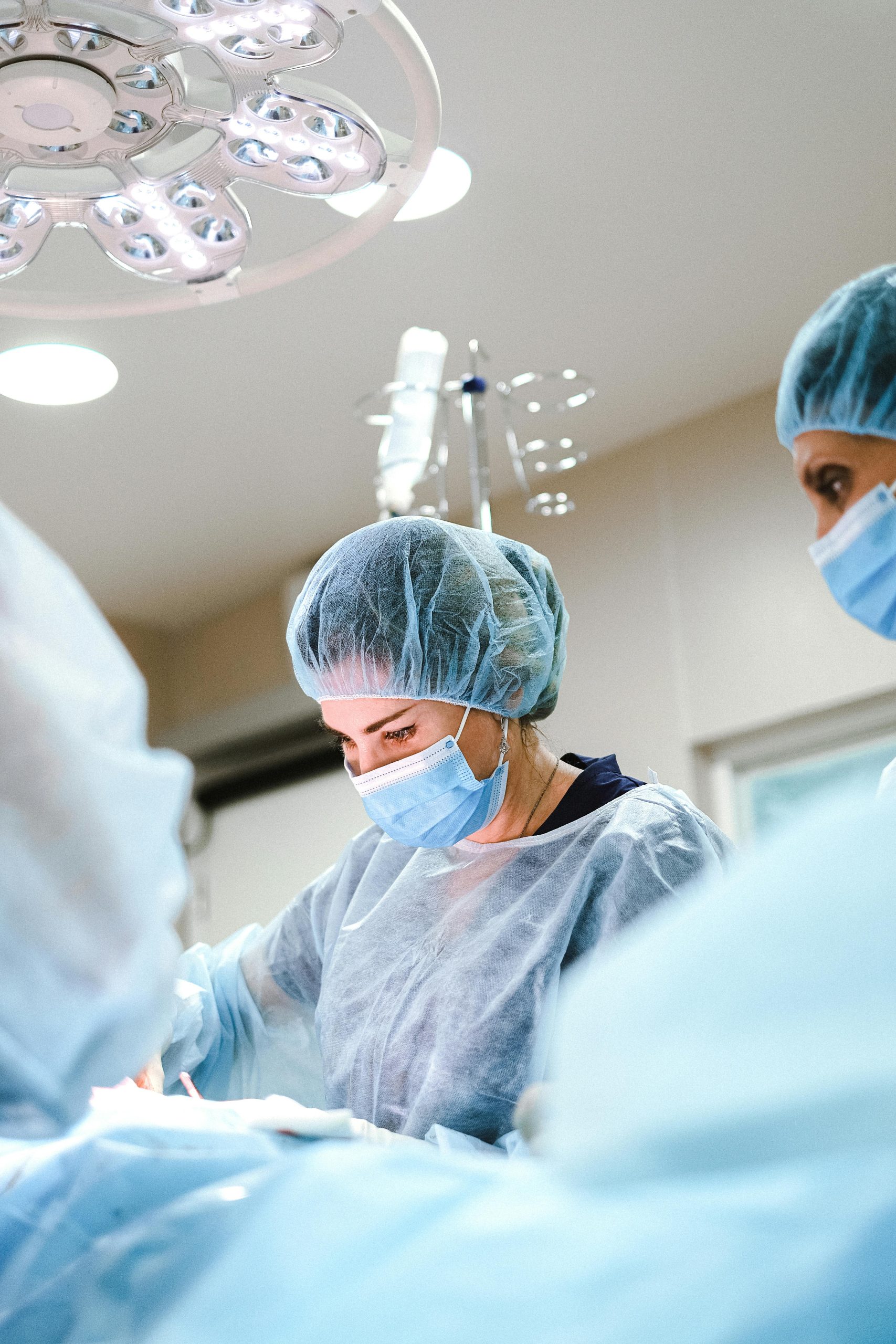
A laparoscopy is a procedure that allows your physician to look directly inside the abdomen and pelvis using a thin, lighted camera. It is performed under general anesthesia and involves a few small incisions, typically near the belly button.
At Midwest Fertility Center, https://mfcfamily.com/ this procedure is used to carefully evaluate the uterus, fallopian tubes, and ovaries in real time. Because it is minimally invasive, most patients experience a relatively quick recovery and can return home the same day.
Why Is Laparoscopy Used in Fertility Care?
Laparoscopy is not necessary for every patient. However, when more detailed information is needed, it can be an essential part of diagnosing and treating fertility challenges.
1. Diagnosing Endometriosis
One of the most common reasons for laparoscopy is to diagnose and treat endometriosis. This condition can impact fertility and is best identified through direct visualization. During the procedure, abnormal tissue can often be removed at the same time.
2. Checking for Blocked Fallopian Tubes
Laparoscopy allows your physician to closely evaluate the fallopian tubes for blockages or damage that may not be fully visible on imaging tests. In some cases, minor issues can be corrected during the same procedure.
3. Identifying Scar Tissue or Adhesions
Scar tissue, also known as adhesions, can interfere with how reproductive organs function. These may develop from prior surgeries, infections, or underlying conditions. Laparoscopy allows for the identification and removal of this tissue, which may improve fertility outcomes.
4. Evaluating Ovarian or Pelvic Abnormalities
This procedure can help assess ovarian cysts, fibroids, or other structural concerns that may impact conception. It provides a more detailed and accurate view than imaging alone.
5. Treating Conditions at the Same Time
One of the key benefits of laparoscopy is that it is both diagnostic and therapeutic. If a concern is identified during the procedure, it can often be treated immediately, reducing the need for additional procedures and helping you move forward with your fertility plan more efficiently.
When Might Midwest Fertility Center Recommend Laparoscopy?
Your care team may suggest a laparoscopy if you have unexplained infertility, ongoing pelvic pain, or imaging results that raise questions. It may also be recommended if there is a concern for endometriosis, tubal disease, or a history of pelvic infection or prior surgery.
What to Expect After the Procedure
Most patients go home the same day as their procedure. Mild discomfort, bloating, or fatigue is normal for a short period of time. Many patients return to normal activities within a few days to a week.
Your care team at Midwest Fertility Center https://mfcfamily.com/ will provide clear, personalized instructions for recovery and help you understand when it is appropriate to move forward with fertility treatment.
Supporting Your Path to Parenthood
A laparoscopy can be an important step in identifying and addressing underlying fertility concerns. By gaining a more complete understanding of your reproductive health, our team at Midwest Fertility Center https://mfcfamily.com/ can create a treatment plan tailored specifically to you.
Our goal is to provide clarity, compassionate care, and the most effective path forward as you work toward building your family. Midwest Fertility Center https://mfcfamily.com/ is here to support you every step of the way.
Contact us today 1-630-810-0212 to schedule a consultation.