
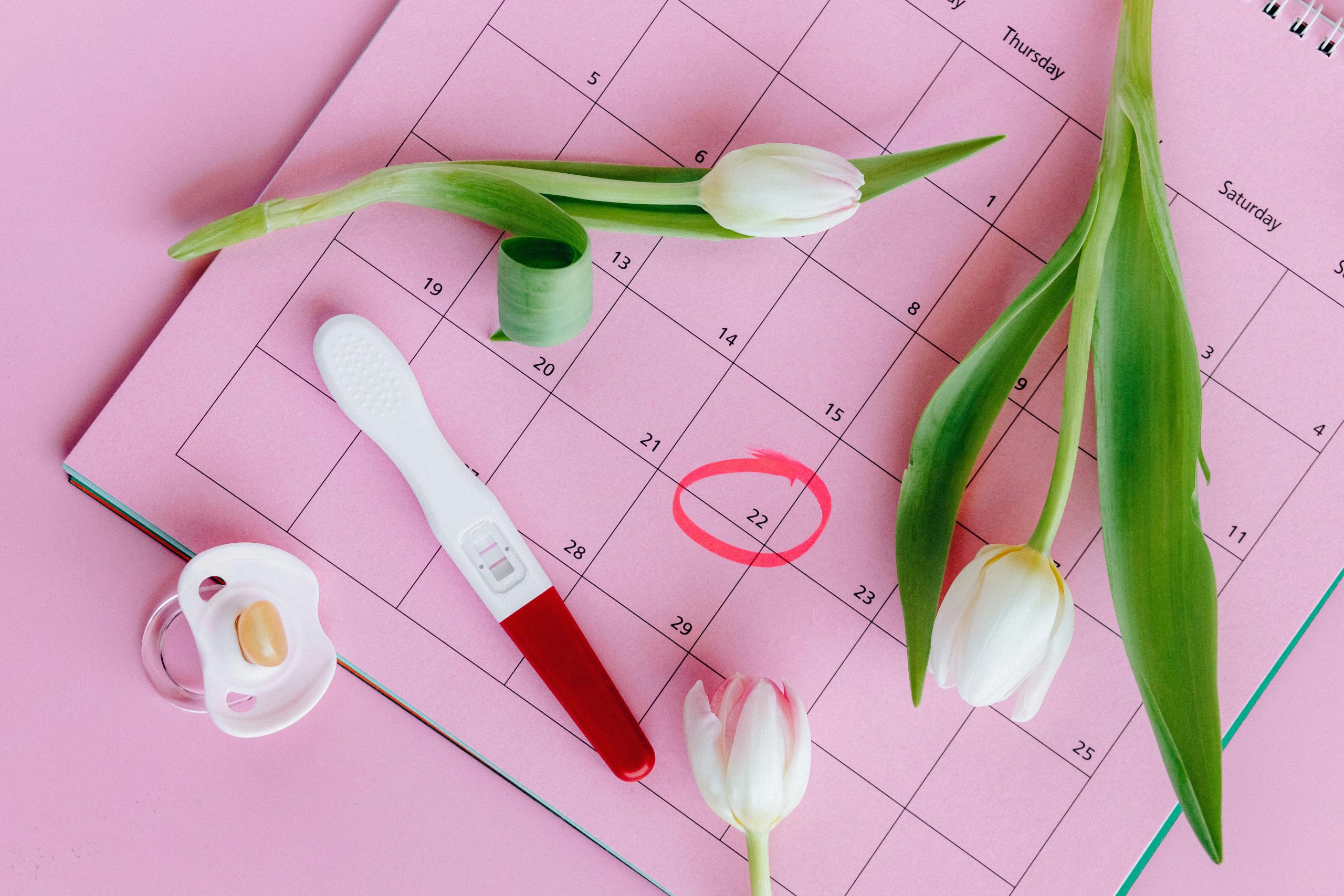
For many patients trying to conceive, one of the most important steps is understanding when pregnancy https://mfcfamily.com/ is most likely to occur. Ovulation and the fertile window are key pieces of that puzzle. When you understand how timing works in your cycle, you can take a more confident and proactive role in your fertility journey.
What Is Ovulation?
Ovulation is the release of a mature egg from the ovary. This usually happens once per menstrual cycle. After the egg is released, it travels into the fallopian tube where fertilization can occur.
The hormone changes that control ovulation begin in the brain. The pituitary gland releases follicle-stimulating hormone (FSH), which helps mature an egg. As the follicle develops, estrogen levels rise. A surge of luteinizing hormone (LH) then triggers the egg’s release.
Once ovulation occurs, the egg lives for about 12–24 hours. If it is not fertilized during that time, it dissolves and menstruation follows about two weeks later.
What Is the Fertile Window?
The fertile window refers to the days during your cycle when pregnancy is possible https://mfcfamily.com/. While the egg only lives for about a day, sperm can live inside the female reproductive tract for up to five days.
Because of this, the fertile window typically includes:
- The five days before ovulation
- The day of ovulation
This means a woman is most likely to conceive during the 2–3 days leading up to ovulation and the day it occurs.
When Does Ovulation Happen?
In a classic 28-day cycle, ovulation occurs around day 14. However, very few women have a “textbook” 28-day cycle. Ovulation usually occurs about 14 days before your next period — not necessarily on day 14.
For example:
- A 30-day cycle may ovulate around day 16
- A 26-day cycle may ovulate around day 12
This is why tracking your individual cycle pattern is much more accurate than relying on averages.
Signs of Ovulation
Some women notice physical changes around ovulation. These can include:
- Clear, stretchy cervical mucus (similar to egg whites)
- Mild lower abdominal discomfort on one side
- Increased libido
- Breast tenderness
Ovulation predictor kits (OPKs) detect the LH surge in urine and can help identify when ovulation is likely to occur within the next 24–36 hours.
Basal body temperature (BBT) tracking can confirm ovulation after it has already happened by showing a small temperature rise due to progesterone.
Why Ovulation Timing Matters
If pregnancy is not occurring, incorrect timing is one of the most common reasons. Many couples unintentionally miss the fertile window because they assume ovulation occurs later than it actually does.
For patients undergoing treatments such as IUI or IVF, precise ovulation timing is critical. Monitoring with ultrasound and bloodwork allows fertility specialists to pinpoint ovulation and optimize chances of success.
When Ovulation Isn’t Regular
Some women do not ovulate regularly or at all. Conditions such as:
- Polycystic ovary syndrome (PCOS)
- Thyroid disorders
- Elevated prolactin
- Diminished ovarian reserve
can interfere with regular ovulation. Blood tests and ultrasound monitoring can determine whether ovulation is occurring and whether hormone levels are appropriate.
How a Fertility Specialist Can Help
Understanding ovulation is empowering, but if you have been trying to conceive for:
- 12 months if under age 35
- 6 months if age 35 or older
it may be time for an evaluation.
At Midwest Fertility Center, https://mfcfamily.com/ we use hormone testing, ultrasound monitoring, and individualized cycle tracking to help patients clearly identify their fertile window and determine whether ovulation is occurring normally. If needed, we can discuss options to stimulate ovulation and improve timing.
Take the Next Step
If you are unsure whether you are ovulating or feel confused about your fertile window, you are not alone. Accurate timing can make a meaningful difference in your ability to conceive.
Schedule a consultation with Midwest Fertility Center via the web at https://mfcfamily.com/ or call us at 1-630-810-0212 to gain clarity, confidence, and a personalized plan.