If you are beginning fertility treatment https://mfcfamily.com/, you may hear the term Ovarian Hyperstimulation Syndrome, or OHSS. While it can sound intimidating, OHSS is a known and manageable condition that fertility specialists work hard to prevent.
What Is OHSS?
Ovarian Hyperstimulation Syndrome is a reaction to fertility medications that stimulate the ovaries to produce eggs. It most commonly occurs during treatments like In Vitro Fertilization, where the goal is to develop multiple follicles.
In OHSS, the ovaries become enlarged and fluid can shift into the abdomen. This happens because the body over-responds to the hormones used during stimulation.
Why Does It Happen?
Fertility medications are designed to encourage the ovaries to produce more eggs than they would in a natural cycle. In some patients https://mfcfamily.com/, this response is stronger than expected.
Hormonal changes, especially after the “trigger shot” used to mature eggs, can increase blood vessel permeability. This allows fluid to leak into surrounding areas, leading to the symptoms associated with OHSS.
What Are the Symptoms?
Symptoms can vary depending on the severity of the condition.
Mild Symptoms
Bloating
Mild abdominal discomfort
Temporary weight gain
Nausea
Moderate to Severe Symptoms
Significant abdominal swelling
Rapid weight gain over a few days
Shortness of breath
Decreased urination
Severe pelvic pain
Symptoms usually develop within several days after egg retrieval or ovulation.
Who Is More Likely to Develop OHSS?
Some patients are more prone to developing OHSS, including:
Women with polycystic ovary syndrome (PCOS)
Younger patients
Those with a high number of developing follicles
Patients with elevated estrogen levels during treatment
At Midwest Fertility Center https://mfcfamily.com/, identifying these risk factors early allows for a more personalized and cautious approach.
How Is OHSS Prevented?
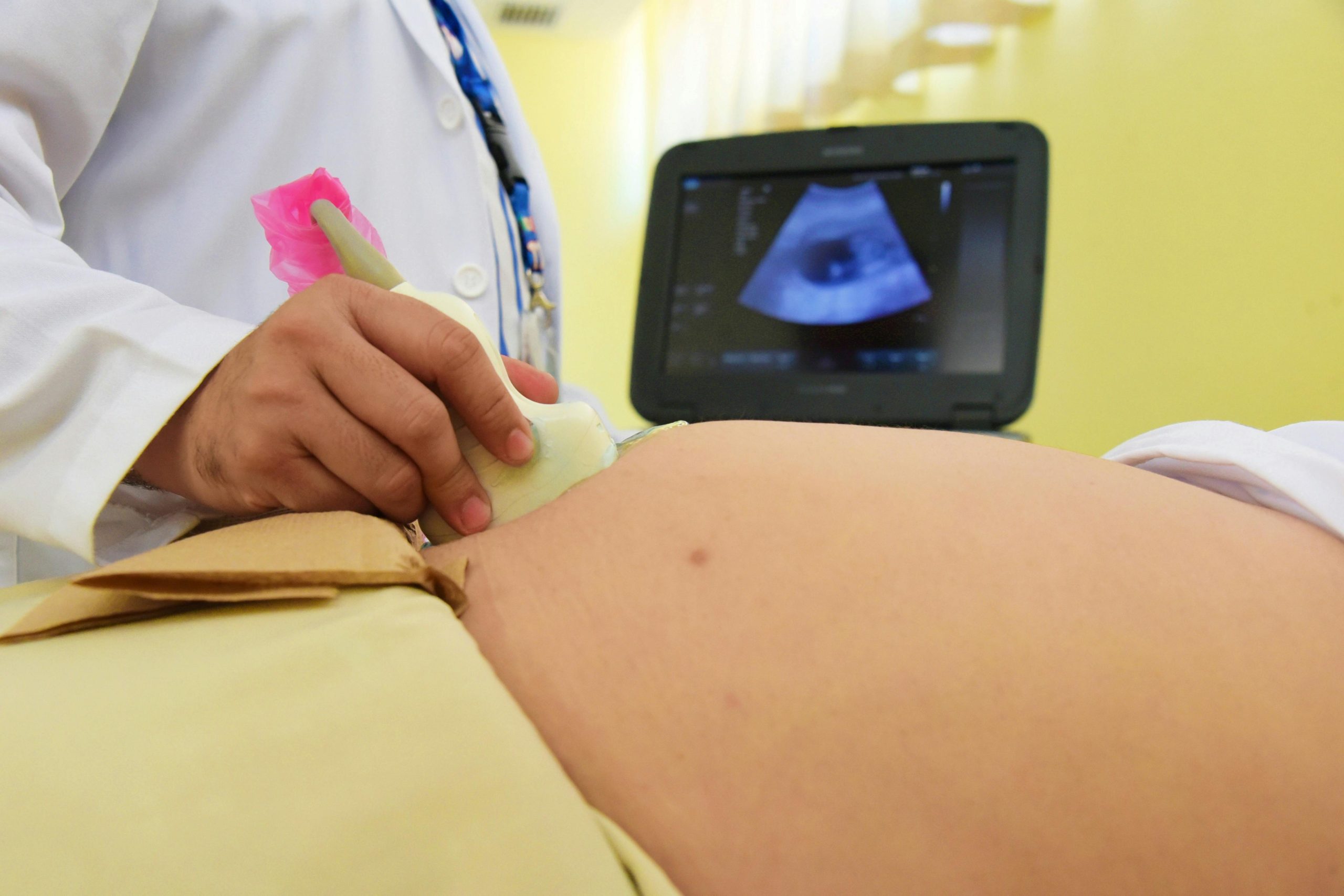
Prevention is one of the most important parts of fertility care. Your care team closely monitors your response to medication through ultrasounds and hormone levels.
Preventative strategies may include:
Adjusting medication doses
Using alternative trigger medications
Freezing embryos instead of immediate transfer
Pausing or modifying your cycle if needed
These steps have made severe OHSS much less common today.
How Is It Treated?
Most cases of OHSS are mild and improve without intervention. Patients are typically advised to rest, stay hydrated, and monitor symptoms.
In more severe cases, medical care may be needed to manage fluid levels and ensure safety. Hospitalization is rare but may be recommended if symptoms become more serious.
What This Means for You
While OHSS is a potential side effect of fertility treatment, it is both predictable and manageable. With careful monitoring and individualized care, the risk can be minimized significantly.
At Midwest Fertility Center https://mfcfamily.com/, your safety is at the center of every treatment plan, allowing you to move forward with confidence and peace of mind.
Contact us today 1-630-810-0212 to schedule a consultation.