
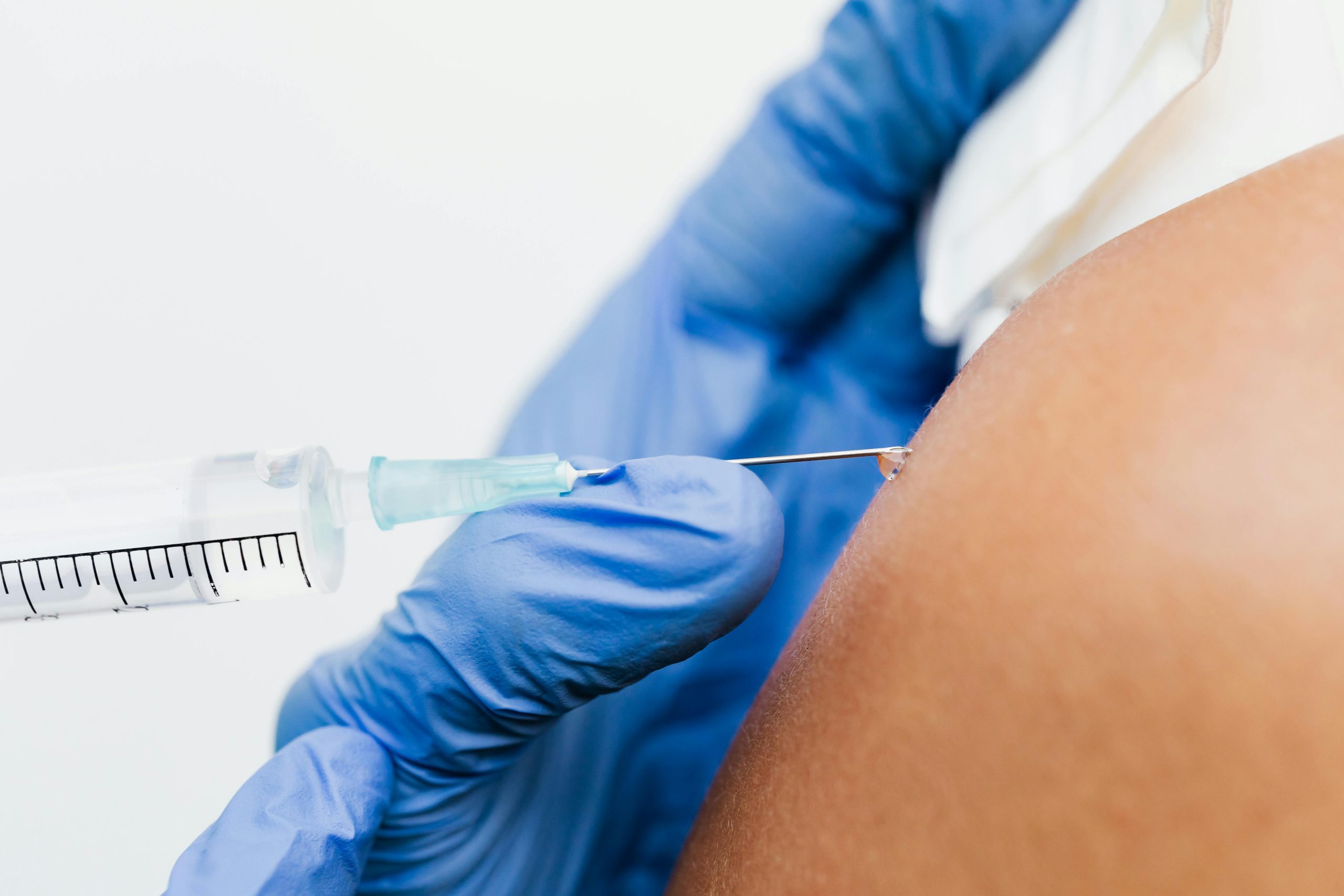
If you are undergoing fertility treatment, you may hear your care team talk about a “trigger shot.” While the name can sound intimidating, the trigger shot is simply a carefully timed injection that plays an essential role in ovulation and treatment success.
At Midwest Fertility Center, https://mfcfamily.com/ we believe that understanding each step of your treatment helps you feel more confident and in control. Here is what you need to know about the trigger shot.
What Is a Trigger Shot?
A trigger shot is an injection of medication used to help your body complete the final step of ovulation. It “triggers” the mature egg to be released from the ovary at a predictable time.
The trigger shot is most commonly used during:
• Intrauterine insemination (IUI) cycles
• In vitro fertilization (IVF) cycles
• Timed intercourse cycles with ovulation induction
The medication most often contains human chorionic gonadotropin (hCG) or sometimes a GnRH agonist, depending on your specific treatment plan.
Why Is the Trigger Shot Important?
Timing is everything in fertility treatment.
In a natural cycle, your body releases a hormone called luteinizing hormone (LH), which tells the ovary to release the egg. In fertility treatments, we monitor your follicles closely with ultrasound and lab work. Once a follicle reaches the appropriate size, we use the trigger shot to precisely control when ovulation occurs.
Ovulation typically happens about 36 hours after the trigger shot. This allows your Midwest Fertility Center https://mfcfamily.com/ team to perfectly schedule:
• IUI procedures
• Egg retrieval for IVF
• Timed intercourse recommendations
How Does It Work?
The trigger shot mimics your body’s natural LH surge.
Once injected, the medication signals the follicle to:
• Complete final egg maturation
• Release the egg from the ovary
• Prepare for possible fertilization
In IVF cycles, the trigger shot helps the eggs reach full maturity before they are retrieved in the procedure performed by Dr. Madanes https://mfcfamily.com/.
When Will I Take It?
Your care team will give you very specific instructions about:
• The exact time to take the injection
• The dosage
• Where and how to administer it
Timing is critical. Even being off by a few hours can affect scheduling, which is why we ask patients to set reminders and follow instructions closely.
At Midwest Fertility Center, our nursing team walks you through the process step by step to make sure you feel comfortable and prepared.
How Is It Given?
Most trigger shots are administered:
• Subcutaneously (a small injection under the skin of the abdomen)
• Intramuscularly (usually in the upper outer hip area)
The injection is quick, and many patients are surprised at how manageable it is.
Are There Side Effects?
Most women tolerate the trigger shot very well. Some possible side effects may include:
• Mild bloating
• Breast tenderness
• Injection site soreness
• Mild cramping
Because hCG is the same hormone detected in pregnancy tests, you may get a false positive pregnancy test if you test too early after your trigger shot. We will guide you on when it is appropriate to test.
Why Monitoring Matters
The trigger shot is given only after careful monitoring with:
• Ultrasounds to measure follicle growth
• Bloodwork to evaluate hormone levels
At Midwest Fertility Center, Dr. Amos Madanes uses over 30 years of experience to determine the precise timing that maximizes your chances of success while minimizing risks.
The trigger shot is not something to fear. It is one of the most important tools we use to control timing and increase the likelihood of success in your fertility treatment.
Knowledge reduces anxiety, and our team is here to answer every question along the way.
If you are preparing for a cycle or would like to learn more about your fertility treatment options, we are here to help. Contact Midwest Fertility Center today to schedule your consultation at https://mfcfamily.com/ or by calling 1-630-810-0212 and take the next step toward building your family.