
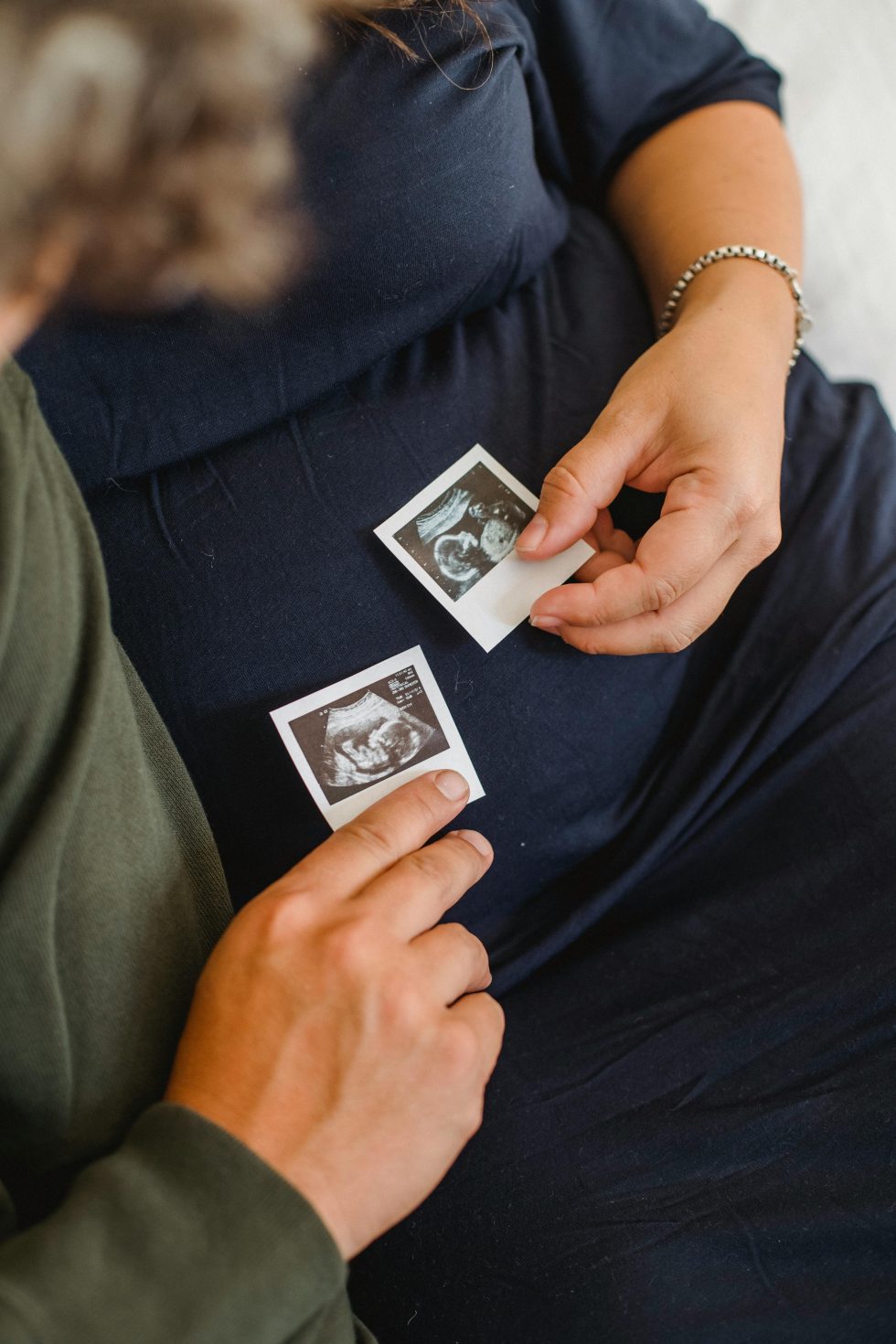
For many hopeful parents, the idea of having twins can feel exciting and even a little magical. When undergoing IVF, it’s natural to wonder whether the chance of twins is higher and what that could mean for your pregnancy and delivery. At Midwest Fertility Center, https://mfcfamily.com/ we believe informed choices are empowering, and we’re here to help you understand the facts behind twins and IVF.
Why Are Twins More Common With IVF?
IVF does increase the chances of twins compared to natural conception. This is mainly due to the number of embryos transferred. Years ago, transferring multiple embryos was standard to improve success rates. Today, with advances in technology, single embryo transfer is not only common but also recommended in many cases to reduce risks.
You may still be more likely to conceive twins if:
- Multiple embryos are transferred, and more than one implants.
- You undergo ovarian stimulation, which can cause more than one egg to ovulate in rare cases.
- You are younger, as younger women tend to have higher implantation success with each embryo.
Types of Twins in IVF
Twins conceived through IVF can be:
Fraternal Twins (Dizygotic)
The most common with IVF.
This occurs when two separate embryos implant, resulting in siblings who share a womb but not identical DNA. They may be the same or different sexes.
Identical Twins (Monozygotic)
Much rarer.
These occur when a single embryo splits into two. IVF does slightly increase this chance, but it remains uncommon.
Health Considerations- What You Should Know
While many twin pregnancies are healthy, they do carry higher risks. At Midwest Fertility Center, https://mfcfamily.com/ we take these considerations seriously to protect both the parent and babies.
Higher Risks Include:
- Preterm birth
- Low birth weight
- Gestational diabetes
- Preeclampsia
- Cesarean delivery
Because of these risks, our physicians often recommend elective single embryo transfer (eSET) when medically appropriate, especially for younger patients or when embryo quality is strong.
Benefits of Single Embryo Transfer (eSET)
Many patients assume transferring two embryos increases their chance of success. However, with today’s technology, one high-quality embryo can offer excellent success rates.
Advantages of eSET include:
- Lower risk of complications
- Safer pregnancy outcomes
- Higher chance of delivering at full term
- Reduced neonatal intensive care admissions
We work closely with each patient to create a customized transfer plan that balances success and safety.
What If You Still Want to Try for Twins?
Some patients express a desire for twins whether to complete their family at once, for personal reasons, or after a long fertility journey. It’s completely understandable.
However, your health and the safety of your future babies must guide the decision. At Midwest Fertility Center https://mfcfamily.com/, Dr. Madanes will:
- Review your medical history
- Examine embryo grading and age factors
- Discuss risks and success rates with single vs. dual transfer
- Help you make an informed, evidence-based choice
In many cases, one embryo offers the best blend of safety and success.
Twins and IVF- Finding the Right Balance
IVF is a deeply personal journey, and every family’s story is unique. At Midwest Fertility Center, https://mfcfamily.com/
our role is to provide clear, compassionate guidance, whether your path leads to a singleton pregnancy or twins.
Our goal is always the same: a safe, successful pregnancy and a healthy baby or babies at the end of your journey.
If you have questions about embryo transfer, twin pregnancy risks, or what approach is right for you, our team is here to support you every step of the way.
Contact us today 1-630-810-0212 to schedule a consultation.