
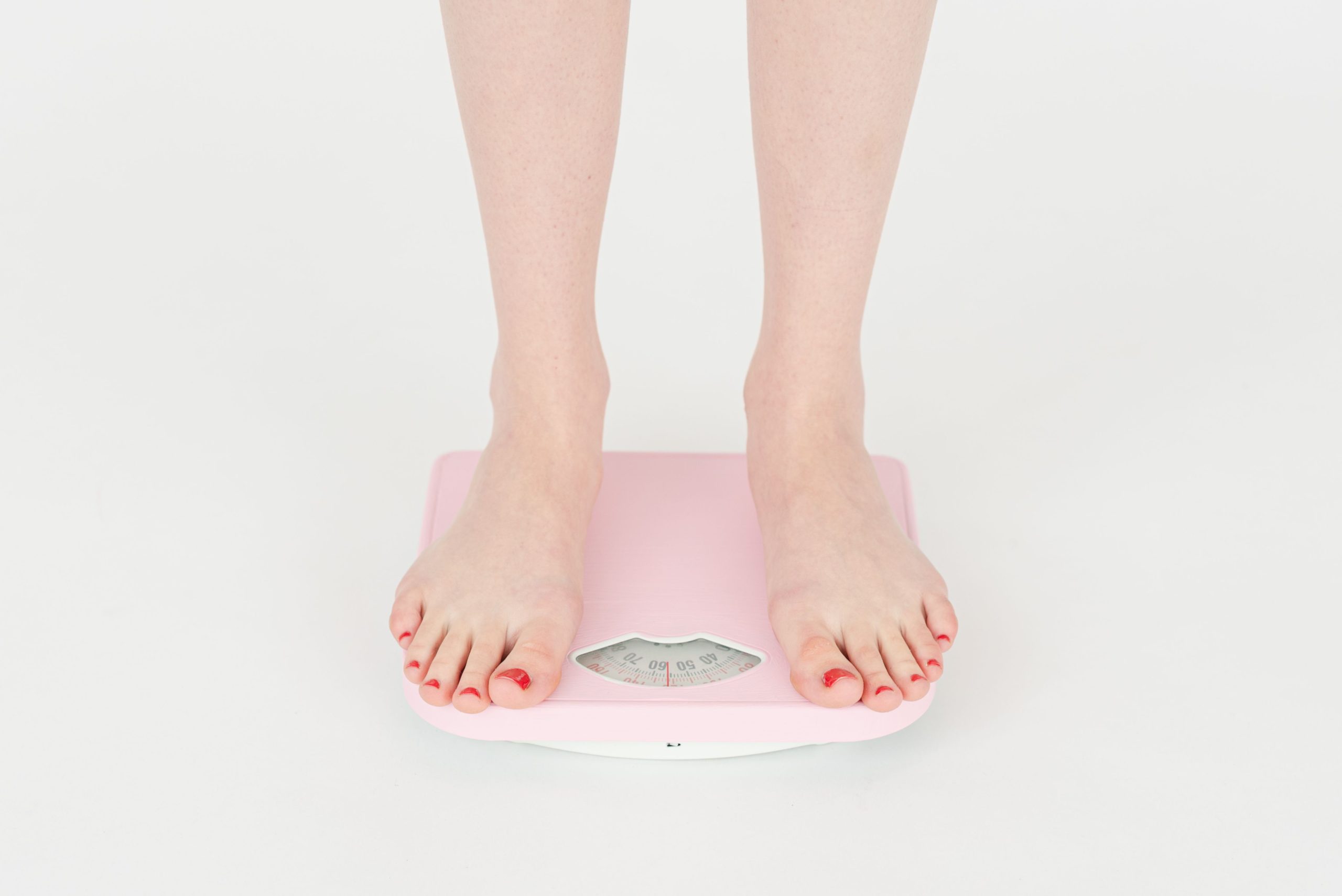
When you’re trying to conceive, many factors can influence your fertility, including age, hormone levels, genetics, and lifestyle. One factor that is often overlooked is body weight. Whether you are underweight, overweight, or living with obesity, your weight can affect your reproductive health and your chances of becoming pregnant.
The good news is that even small, healthy changes in weight can improve fertility for many individuals. At Midwest Fertility Center, we work with patients to identify all possible factors that may be affecting fertility and develop a personalized treatment plan. Learn more about our services at https://mfcfamily.com.
Why Weight Matters for Fertility
Body fat plays an important role in hormone production. Having too little or too much body fat can disrupt the delicate balance of reproductive hormones that regulate ovulation and sperm production.
For women, an unhealthy weight may:
- Cause irregular or absent menstrual cycles
- Prevent ovulation
- Increase the risk of miscarriage
- Reduce the success rates of fertility treatments
- Increase the risk of pregnancy complications
For men, excess weight may:
- Lower testosterone levels
- Reduce sperm count and sperm quality
- Decrease sperm motility (movement)
- Increase erectile dysfunction
- Affect overall reproductive health
Being Underweight and Fertility
Women with a Body Mass Index (BMI) below the healthy range may not produce enough estrogen to support regular ovulation. Without regular ovulation, pregnancy becomes much more difficult.
Being underweight may result from:
- Excessive exercise
- Poor nutrition
- Eating disorders
- Certain medical conditions
Restoring weight to a healthier range often helps normalize hormone levels and menstrual cycles.
Being Overweight or Obese and Fertility
Carrying excess body weight can affect fertility in several ways. Fat tissue produces estrogen, and too much estrogen can interfere with normal ovulation. Obesity is also closely linked to insulin resistance, which may further disrupt reproductive hormones.
Women with excess weight are more likely to experience:
- Irregular menstrual cycles
- Polycystic Ovary Syndrome (PCOS)
- Difficulty ovulating
- Higher miscarriage rates
- Pregnancy complications such as gestational diabetes and high blood pressure
Even losing 5–10% of your body weight may improve ovulation and increase the chances of pregnancy for many women.
Weight and Male Fertility
Fertility is not just a women’s health issue. Male weight can significantly impact fertility as well.
Men with obesity may experience:
- Lower sperm concentration
- Poor sperm morphology (shape)
- Reduced sperm movement
- Hormonal imbalances
- Increased inflammation and oxidative stress
Studies suggest that achieving a healthier weight may improve sperm quality and overall reproductive health.
Weight and Fertility Treatment Success
Maintaining a healthy weight may improve the success of fertility treatments, including:
- Ovulation induction
- Intrauterine insemination (IUI)
- In Vitro Fertilization (IVF)
Patients who are closer to a healthy BMI often experience:
- Better response to fertility medications
- Higher egg quality
- Improved embryo development
- Better implantation rates
- Lower pregnancy complication risks
Every patient is unique, however, and fertility specialists consider many factors when recommending treatment.
Healthy Ways to Improve Fertility Through Weight Management
If your weight may be affecting fertility, focus on sustainable lifestyle changes rather than quick fixes.
Consider these healthy habits:
Eat a Balanced Diet
Choose foods rich in:
- Fruits
- Vegetables
- Lean proteins
- Whole grains
- Healthy fats
Limit highly processed foods, sugary beverages, and excessive alcohol.
Stay Physically Active
Aim for at least 150 minutes of moderate exercise each week unless your physician recommends otherwise. Walking, swimming, cycling, and strength training are all excellent options.
Get Quality Sleep
Poor sleep can affect hormones that regulate appetite, metabolism, and reproduction.
Manage Stress
Although stress alone does not typically cause infertility, chronic stress can influence healthy habits and overall well-being. Activities such as yoga, meditation, or counseling may help support both physical and emotional health.
Work With Your Healthcare Team
Avoid trying extreme diets or rapid weight-loss programs while trying to conceive. A fertility specialist can help determine the safest and most effective approach for your individual situation.
Weight Is Only One Piece of the Fertility Puzzle
It’s important to remember that many people with a higher or lower BMI become pregnant naturally, while others with a healthy weight may still experience infertility. Fertility is complex and involves many factors, including:
- Age
- Egg quality
- Sperm health
- Fallopian tube function
- Uterine health
- Hormone balance
- Genetics
If you have been trying to conceive for 12 months (or 6 months if you are over age 35), it may be time to seek an evaluation.
Midwest Fertility Center Is Here to Help
At Midwest Fertility Center, we understand that every fertility journey is unique. Our experienced team provides comprehensive fertility evaluations and personalized treatment plans designed to help identify the underlying causes of infertility including lifestyle factors such as weight and guide you toward the treatment options that are right for you.
Whether you are just beginning your fertility journey or have been trying to conceive for some time, we are here to provide compassionate, expert care every step of the way.
Visit https://mfcfamily.com to learn more about our fertility services and request an appointment. You can also call us at 630-810-0212 to schedule your consultation today.
For more fertility information, patient resources, and treatment options, visit https://mfcfamily.com and discover how Midwest Fertility Center can help you build the family you’ve been dreaming of.