
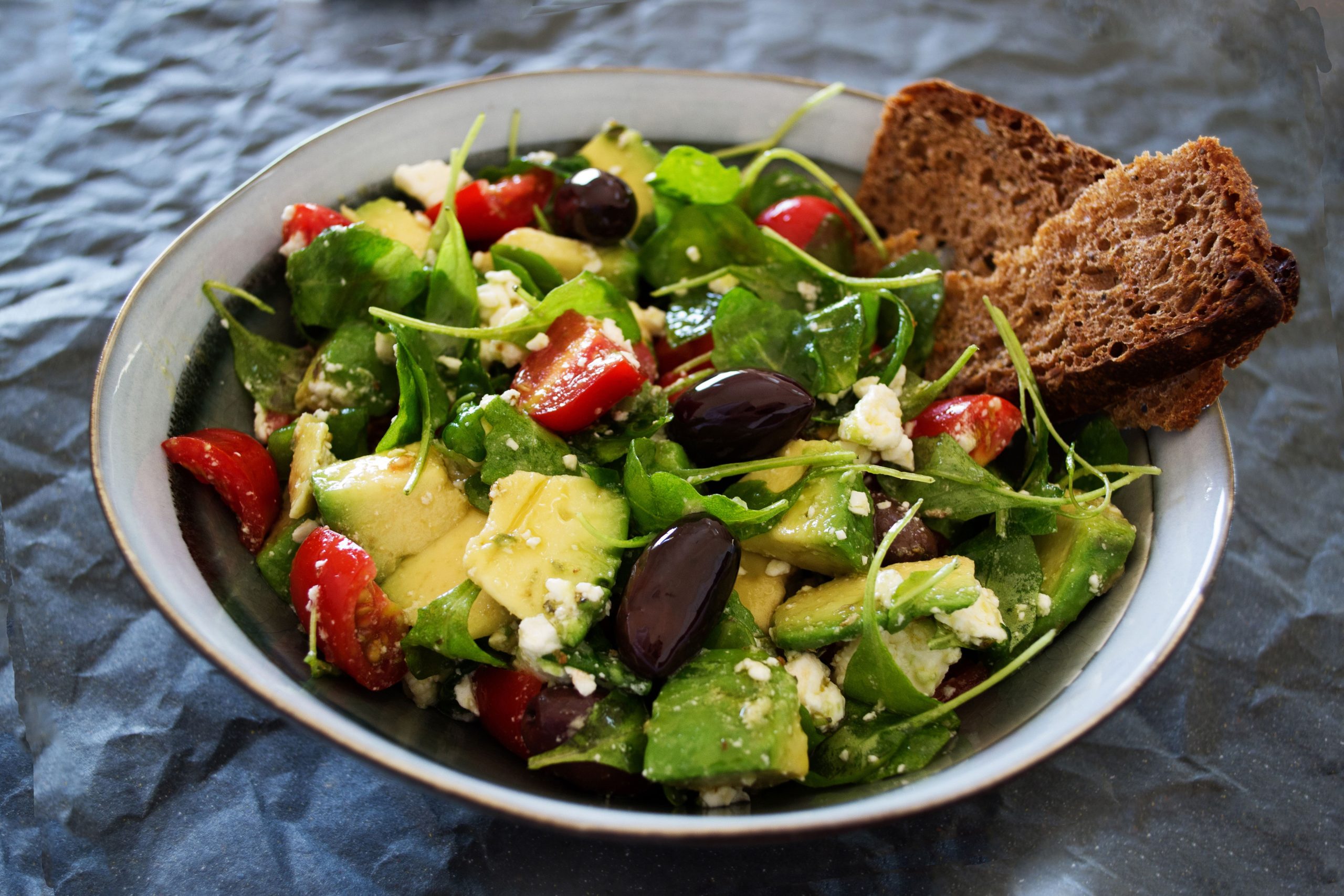
When you’re trying to conceive, nutrition plays a much bigger role than many people realize. While there is no single “fertility diet” guaranteed to result in pregnancy, research has shown that certain eating patterns may improve reproductive health, support hormone balance, enhance egg and sperm quality, and promote a healthy pregnancy.
At Midwest Fertility Center, Dr. Amos E. Madanes and our team https://mfcfamily.com/ encourage patients to view nutrition as one important piece of their fertility journey. Making healthier food choices today can help optimize your body for conception and pregnancy tomorrow.
What Is a Fertility Diet?
A fertility diet focuses on nutrient-rich foods that support reproductive hormones, reduce inflammation, maintain healthy blood sugar levels, and provide the vitamins and minerals necessary for healthy eggs, sperm, and embryo development.
The best fertility diet closely resembles the Mediterranean diet, which emphasizes whole foods, healthy fats, lean proteins, fruits, vegetables, and whole grains.
Fill Your Plate with Fruits and Vegetables
Colorful fruits and vegetables are packed with antioxidants that help protect eggs and sperm from damage caused by free radicals.
Excellent fertility-friendly choices include:
- Leafy greens such as spinach and kale
- Berries
- Citrus fruits
- Broccoli
- Bell peppers
- Sweet potatoes
- Tomatoes
Aim for at least five servings of fruits and vegetables each day.
Choose Healthy Fats
Healthy fats are essential for hormone production and reproductive function.
Good sources include:
- Avocados
- Olive oil
- Nuts and seeds
- Nut butters
- Fatty fish such as salmon, sardines, and trout
Try to limit trans fats and highly processed fried foods, which have been associated with increased inflammation and poorer fertility outcomes.
Prioritize Lean Protein
Protein is an important building block for reproductive health https://mfcfamily.com/.
Excellent choices include:
- Fish
- Chicken and turkey
- Eggs
- Beans and lentils
- Tofu and edamame
- Greek yogurt
Studies suggest that replacing some red meat with plant-based proteins may be beneficial for fertility, particularly in women experiencing ovulatory disorders.
Choose Whole Grains Over Refined Carbohydrates
Whole grains help stabilize blood sugar levels and improve insulin sensitivity, which is especially important for women with Polycystic Ovarian Syndrome (PCOS).
Better carbohydrate choices include:
- Oatmeal
- Brown rice
- Quinoa
- Whole wheat bread
- Barley
- Farro
Try to limit sugary beverages, white bread, pastries, and highly processed snack foods.
Don’t Forget Fertility-Friendly Nutrients
Several vitamins and minerals play key roles in reproductive health:
Folate
Folate is essential for early fetal development and may improve fertility outcomes https://mfcfamily.com/. Women trying to conceive should take a prenatal vitamin containing at least 400-800 mcg of folic acid daily.
Vitamin D
Low vitamin D levels have been associated with infertility in both men and women. Your fertility specialist may recommend testing and supplementation if needed.
Omega-3 Fatty Acids
Omega-3s may help reduce inflammation and support egg quality and embryo development.
Iron
Iron deficiency may impact ovulation and pregnancy outcomes. Lean meats, beans, spinach, and fortified cereals are excellent sources.
Zinc
Zinc supports both egg and sperm production and can be found in seafood, meat, dairy products, nuts, and seeds.
Hydration Matters
Proper hydration supports overall health and reproductive function. Water should be your primary beverage choice.
Aim for approximately 8-10 glasses of water daily, adjusting for activity level and weather conditions.
Foods and Habits to Limit
While moderation is key, consider reducing:
- Sugary beverages
- Highly processed foods
- Excessive caffeine intake
- Excess alcohol consumption
- Trans fats
- Smoking and nicotine products
Most experts recommend limiting caffeine to less than 200 mg per day while trying to conceive, which is roughly equivalent to one 12-ounce cup of coffee.
What About Weight and Fertility?
Both underweight and overweight individuals may experience challenges with ovulation and hormone balance.
Even a modest weight loss of 5-10% in overweight individuals can improve ovulation and fertility outcomes, particularly in women with PCOS.
However, crash dieting and overly restrictive eating plans can have the opposite effect and may disrupt reproductive hormones.
Fertility Nutrition for Men Matters Too
Male factors contribute to approximately 40-50% of infertility cases. Men can support sperm health by eating a diet rich in:
- Antioxidants
- Fruits and vegetables
- Fish rich in omega-3 fatty acids
- Whole grains
- Nuts, especially walnuts
Eliminating smoking, alcohol use, and maintaining a healthy weight can also improve sperm quality.
The Bottom Line
There is no magic fertility food or perfect diet, but nourishing your body with whole, nutrient-dense foods can help support your reproductive health and improve your chances of conception.
Small changes made consistently over time often have the greatest impact.
If you have been trying to conceive without success, the fertility specialists at Midwest Fertility Center are here to help. Dr. Amos E. Madanes and our experienced team https://mfcfamily.com/provide comprehensive fertility evaluations and personalized treatment plans designed to help you achieve your dream of building a family.
To schedule a consultation with Midwest Fertility Center, contact our Downers Grove, Illinois or Northwest Indiana offices today at 1-630-810-0212 and take the next step on your fertility journey.