
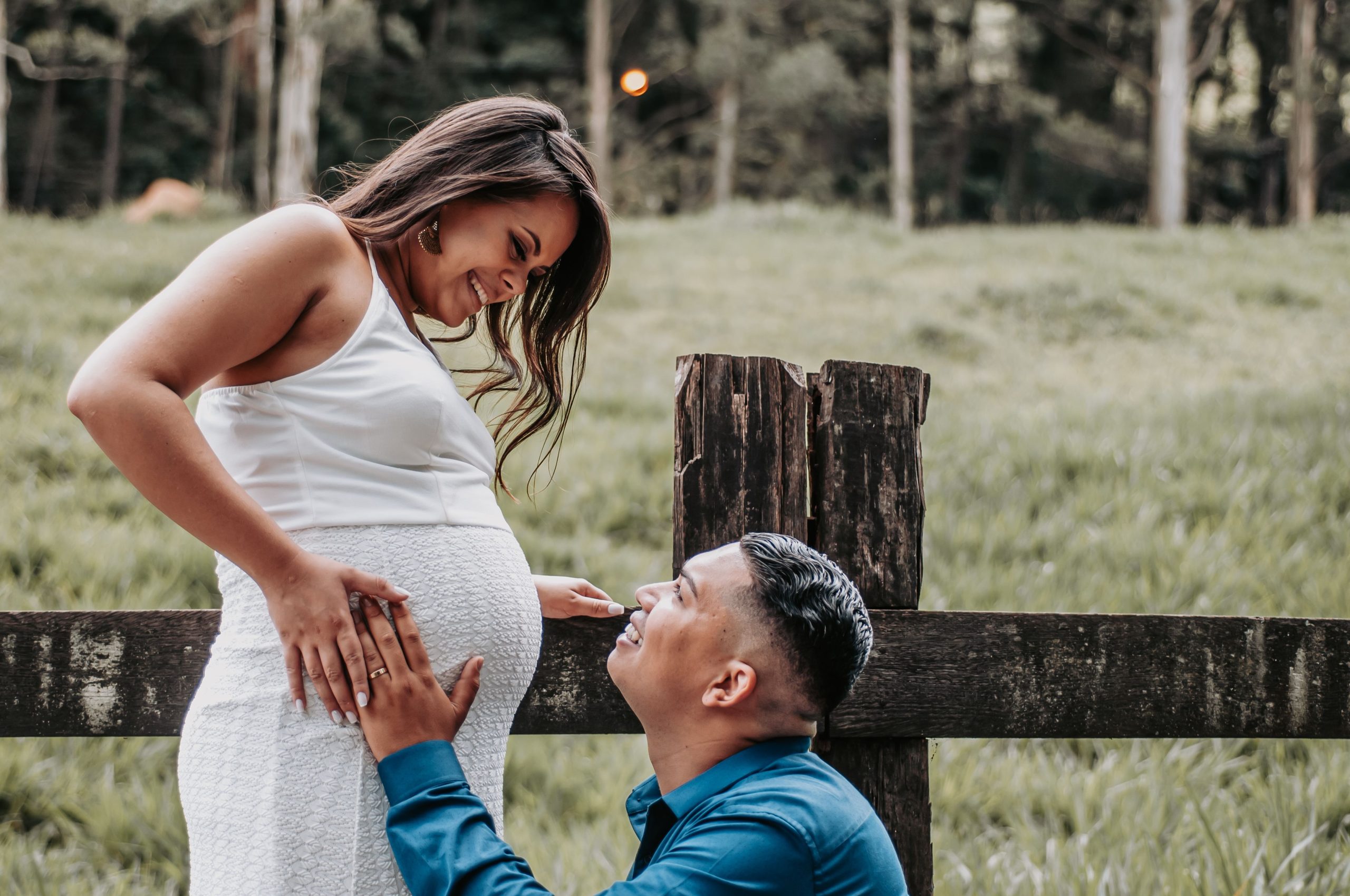
One of the most exciting aspects of pregnancy https://mfcfamily.com/ is knowing that your baby is developing and learning long before birth. While many parents talk, sing, or play music to their growing baby, they often wonder Can my baby actually hear me?
The answer is yes! A baby’s hearing begins developing during pregnancy, and by the third trimester, babies can hear and respond to many sounds from both inside and outside the womb.
When Does a Baby Start Hearing?
A baby’s ears begin forming very early in pregnancy, around the 6th week of gestation. However, hearing does not become functional until later.
- Around 18 weeks: Your baby may begin detecting sounds.
- By 24 weeks: The structures of the ear are developed enough for hearing to improve significantly.
- By 27–30 weeks: Babies can recognize familiar voices and may react to sounds by moving, kicking, or changing their heart rate.
Although sounds are muffled by the amniotic fluid and mother’s body tissues, they still reach the baby.
What Sounds Can a Baby Hear?
Mom’s Voice
The sound your baby hears most clearly is your voice. Because your voice travels through your body as well as through the air, it is one of the strongest and most familiar sounds your baby experiences.
Research suggests that babies can recognize their mother’s voice at birth and often find it comforting.
Dad’s Voice and Other Family Members
As hearing develops, babies can also hear voices from outside the womb. Frequent conversations, reading aloud, and talking to your baby can help them become familiar with family members before birth.
Your Heartbeat
One of the most constant sounds your baby hears is your heartbeat. The rhythmic “lub-dub” provides a comforting background sound throughout pregnancy.
Breathing and Digestive Sounds
Babies also hear many internal body sounds, including:
- Breathing
- Blood flow
- Digestive gurgles
- Stomach noises
These sounds create a continuous environment that becomes familiar and soothing.
Music
Music can be heard in the womb, particularly lower-frequency sounds. While babies may not appreciate Mozart or lullabies the way adults do, studies suggest they can react to music by moving or changing activity levels.
Everyday Environmental Sounds
Your baby may also hear:
- Conversations
- Dogs barking
- Vacuum cleaners
- Doorbells
- Television sounds
- Traffic noise
Most everyday sounds are perfectly safe for your developing baby.
Can Babies Learn Before Birth?
Surprisingly, babies begin learning and forming memories while still in the womb.
Research has shown that newborns may recognize:
- Their mother’s voice
- Frequently heard songs
- Stories read repeatedly during pregnancy
This early recognition demonstrates that babies are already processing and remembering auditory experiences before they are born.
Should You Talk to Your Baby?
Absolutely! Talking to your baby is a wonderful way to bond during pregnancy https://mfcfamily.com/.
You can:
- Read books aloud
- Tell your baby about your day
- Sing songs
- Encourage partners and siblings to talk to the baby
These activities not only foster emotional connection but may also support early language development.
Is Loud Noise Harmful?
Most everyday sounds are not harmful. However, prolonged exposure to very loud noises may potentially affect a baby’s developing hearing.
Pregnant women should try to limit exposure to:
- Loud concerts
- Industrial machinery
- Repeated high-decibel environments
If your workplace involves significant noise exposure, discuss appropriate precautions with your healthcare provider https://mfcfamily.com/.
How Do Babies Respond to Sounds?
As pregnancy progresses, you may notice your baby:
- Kicking after hearing a familiar voice
- Moving when music is playing
- Startling at sudden loud noises
- Becoming more active during conversations
These responses are signs that your baby’s auditory system is developing and functioning normally.
The Amazing Connection Before Birth
Long before your baby takes their first breath, they are already becoming familiar with the sounds of the world around them. Hearing your voice, your heartbeat, and the voices of loved ones helps create an early bond that continues after birth.
Pregnancy is a remarkable journey of growth and development, and every conversation, lullaby, and loving word contributes to your baby’s earliest experiences.
At Midwest Fertility Center, Dr. Amos E. Madanes https://mfcfamily.com/ and our experienced team are dedicated to helping individuals and couples achieve their dreams of building a family. From fertility evaluations and advanced reproductive treatments to early pregnancy monitoring, we provide compassionate, personalized care every step of the way.
If you have questions about fertility, pregnancy, or reproductive health, contact Midwest Fertility Center to learn how we can help you on your journey to parenthood.
Contact us today 1-630-810-0212 to schedule a consultation.