
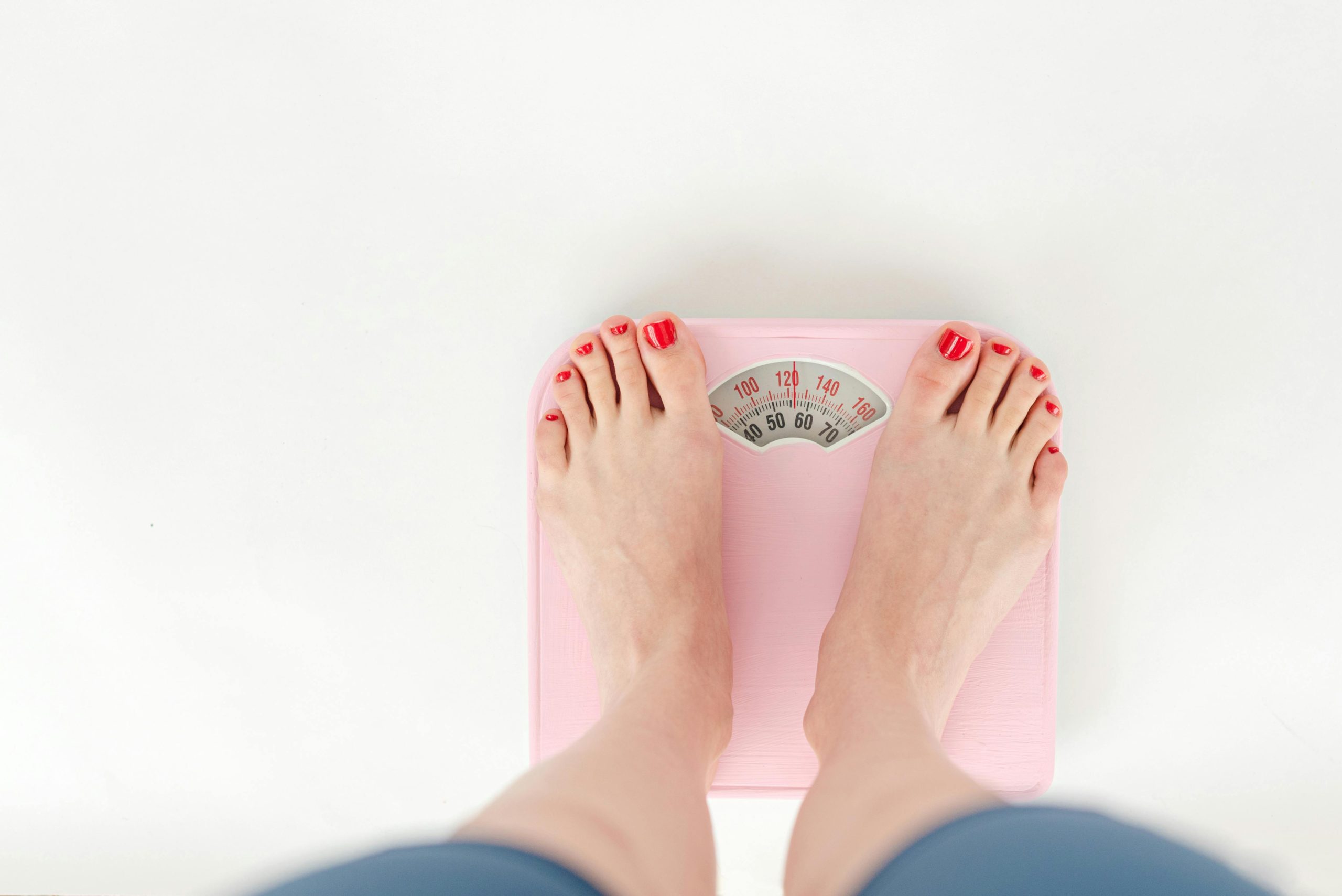
For many individuals and couples trying to conceive, conversations about weight can feel sensitive or overwhelming. At Midwest Fertility Center, https://mfcfamily.com/ we approach this topic with compassion and science. Weight is one of many factors that can influence fertility and understanding how it plays a role can empower you to make informed choices on your journey to parenthood.
Why Weight Matters in Fertility
Your body’s reproductive system is closely connected to your overall health. When weight is significantly above or below what is considered a healthy range, the body may struggle to maintain the hormonal balance needed for regular ovulation and conception.
The Role of Body Fat and Hormones
Body fat produces estrogen.
- Too much body fat can lead to excess estrogen, which may disrupt ovulation or cause irregular menstrual cycles.
- Too little body fat can decrease estrogen production, potentially leading to skipped periods or no ovulation at all.
Balanced hormones support predictable cycles and predictable cycles support higher chances of getting pregnant.
How Being Overweight Can Affect Fertility
Carrying extra weight does not mean you cannot get pregnant, but it can sometimes make the process harder.
Potential impacts include:
- Irregular or absent ovulation: Higher BMI is associated with disrupted ovulation, making it more difficult to time conception.
- Hormonal imbalance: Conditions like insulin resistance and PCOS can be worsened by excess weight.
- Reduced success with fertility treatments: Studies show that a higher BMI can affect egg quality, response to medications, and IVF success rates.
- Increased risk during pregnancy: Higher rates of miscarriage, gestational diabetes, high blood pressure, and complications during labor.
How Being Underweight Can Affect Fertility
Being below a healthy weight can also affect your reproductive system.
Potential impacts include:
- Irregular or absent menstrual cycles
- Low estrogen levels
- Difficulty with implantation
- Higher risk of preterm birth if pregnancy is achieved
For some individuals, even gaining 5–10 pounds can help restore ovulation.
What’s the “Ideal” Weight for Getting Pregnant?
There is no perfect number every body is different.
Healthcare providers typically use Body Mass Index (BMI) as a general guideline:
- BMI of 18.5–24.9: Considered optimal for fertility
- BMI below 18.5: Underweight
- BMI 25–29.9: Overweight
- BMI 30+: Obese
However, BMI is not a complete picture. Muscle mass, genetics, and medical conditions all matter. A fertility specialist https://mfcfamily.com/ can help you understand what’s healthiest for your body.
Small Changes Can Make a Big Difference
The good news? You don’t need to reach a “perfect” weight to improve fertility.
Research shows that:
- Losing as little as 5–10% of body weight can restore ovulation for many individuals.
- Gradual, sustainable changes are more effective than restrictive dieting.
Helpful steps include:
- Eating balanced meals with lean proteins, healthy fats, vegetables, and whole grains
- Regular physical activity, even brisk walking counts
- Managing stress
- Prioritizing good sleep
- Working with a provider or nutrition counselor for personalized support
When to Seek help
If you’ve been trying to conceive for:
- 12 months (under age 35), or
- 6 months (over age 35),
it’s a good time to connect with a fertility specialist https://mfcfamily.com/. Weight concerns should never prevent you from seeking help—we’re here to guide, not judge.
At Midwest Fertility Center, You’re Not Alone https://mfcfamily.com/
Weight is just one piece of the fertility puzzle. Whether you’re trying to reach a healthier weight, understand your cycle, or explore treatment options, our team is here to support you with compassion and evidence-based care.
You deserve a personalized path to parenthood and we’re honored to walk it with you. Call 1-630-810-0212 to schedule your appointment.